


Tyson Fury against Anthony Joshua finally looks close to having a home. Cardiff’s Principality Stadium has moved clear of Wembley as the frontrunner to host British boxing’s biggest domestic fight in a generation, with a mid-December date now understood to be the leading target once the remaining promotional wrangling is cleared up.
Cardiff pulls clear of Wembley
A Welsh Rugby Union spokesperson said the governing body would be “delighted to host this fight,” adding that Cardiff is “very keen to attract more boxing to the stadium” and pointing to its “closable roof, unrivalled sight lines.” The Principality can hold around 78,000 for a boxing event, the same capacity Joshua filled there in 2017 against Carlos Takam and again in 2018 against Joseph Parker.
Wembley had been in the conversation too, but its curfew only stretches to 1am, a problem given organisers want a start late enough to suit Netflix’s American audience. Cardiff’s retractable roof and lack of the same restriction is understood to have tipped things decisively in its favour.
December 11 emerges as the target
According to boxing journalist Dan Rafael, the fight is being lined up for 11 December in Cardiff, though he was careful to stress that “it will take some time to wrap up the bureaucracy” before anything is official. November 28 and 4 December have also been discussed as alternative dates. Whichever is settled on, organisers still have to work through policing costs, alcohol licensing, noise restrictions and how to move a crowd of that size out of the city late at night.
The reasoning behind a Friday card is straightforward enough: it avoids competing with the Saturday sporting schedule that dominates American attention, from college football to the NFL, at a time when Netflix’s reach into the United States matters as much to this deal as the UK gate receipts.
Fans facing a 2am finish
That scheduling logic has not gone down well with British fans who would actually be in the building. A Friday main event timed for American primetime points towards a ring walk in the early hours of Saturday morning, leaving supporters facing a 2am or 3am finish, limited transport out of Cardiff and the prospect of missing work simply to make the trip. British Boxing News columnist Spencer Oliver put it bluntly, arguing that putting the fight in Britain “means little when British supporters are treated like studio extras for an American broadcast.”
It is a familiar tension for a fight that has always had one foot in the UK and the other pointed towards a global streaming audience, and it is unlikely to be the last complaint aired before the first bell.
Confidence from the camp, politics behind the scenes
Fury’s manager Spencer Brown sounded in no doubt the fight will come together. “I’m 100 per cent that the fight will happen,” he said, floating December as an option that could double as “the best Christmas party in the world” for a crowd winding down for the holidays. Both fighters remain contractually committed, with Joshua’s deal requiring the bout take place on UK soil, but final sign-off still rests with promoters Eddie Hearn and Frank Warren, Saudi financier Turki Alalshikh, and Netflix itself.
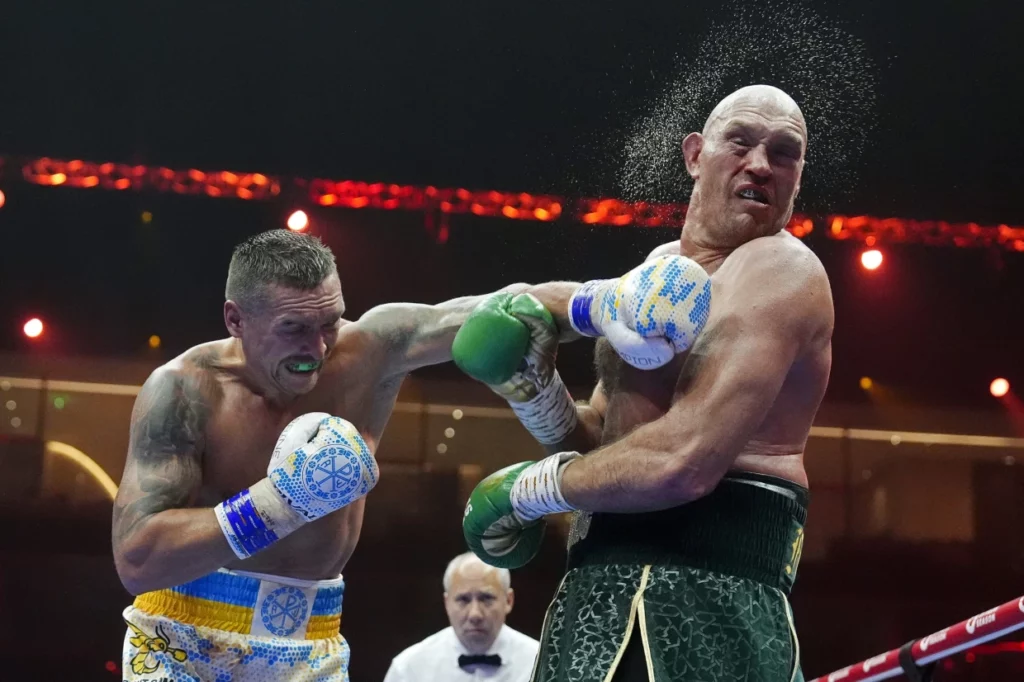
Both men arrive with recent wins behind them. Joshua stopped Kristian Prenga in July despite being dropped twice, in the fight billed at the time as setting up this exact showdown, while Fury has strung together two comeback victories, most recently a stoppage of Mariusz Wach in Thailand, since his second defeat to Oleksandr Usyk.
What happens next
Rafael has reported that Netflix is expected to sign off on the UK plan, and a press conference to formally unveil the venue and date has been pencilled in for the coming days. Until contracts are actually signed, none of it is guaranteed, a lesson this fight has taught its followers more than once already. But for the first time, Cardiff and a firm December date look like more than just another rumour in a saga that has run for the best part of three years.